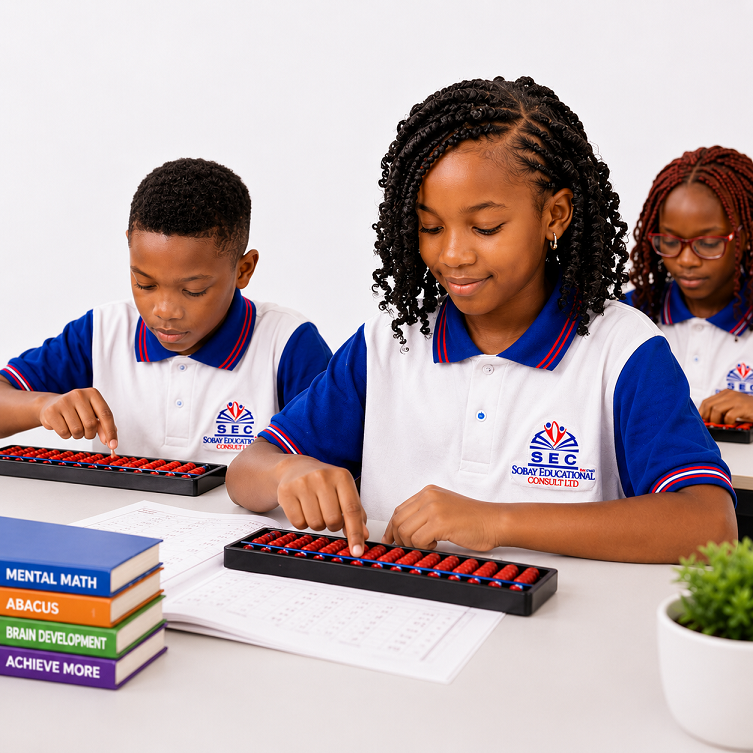
From Counting Tool to Brain-Training Method
The abacus is one of the oldest known calculation tools in human history. Across different cultures, it was used by traders, teachers, merchants, and learners to perform arithmetic in a simple and practical way.
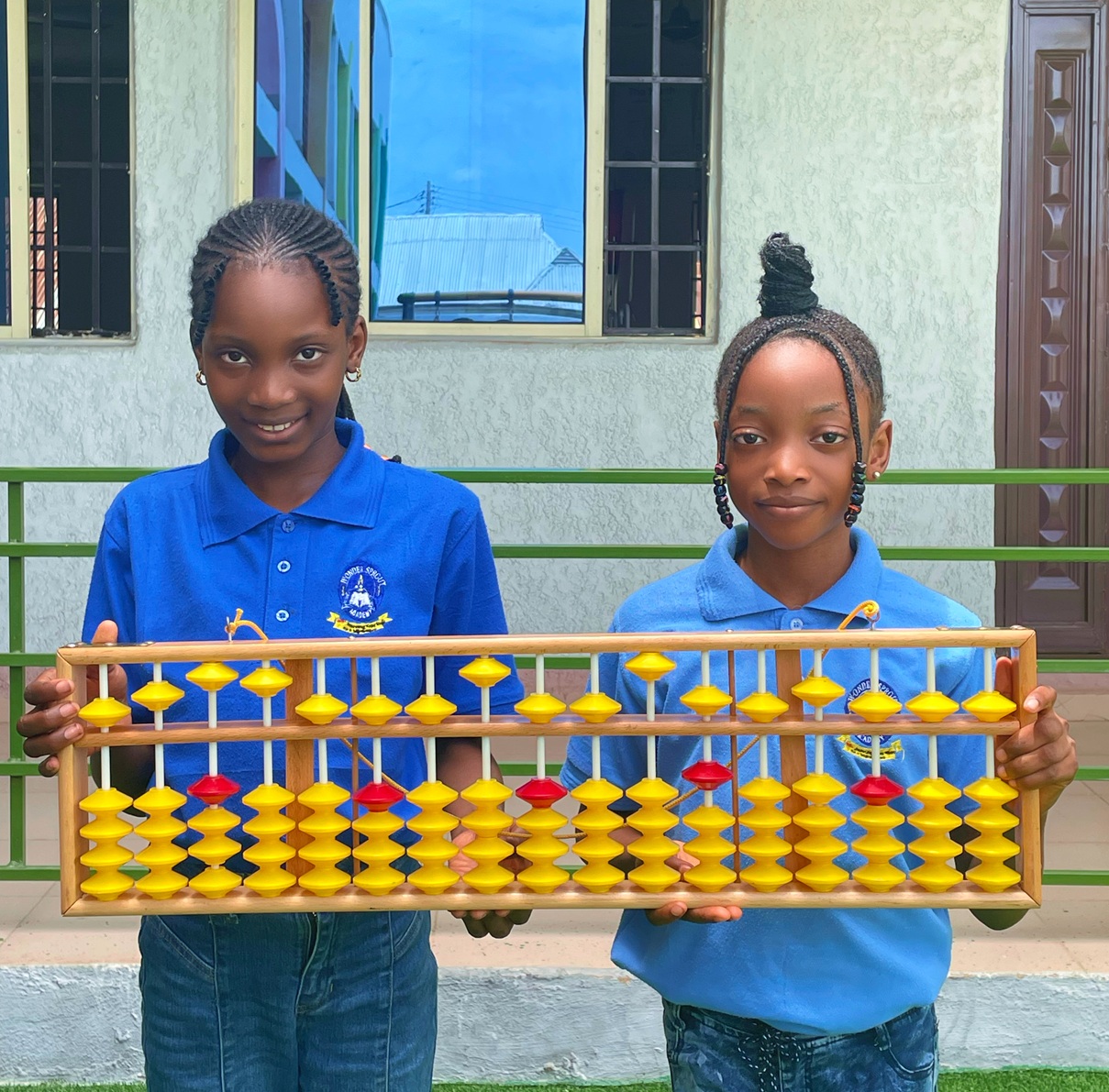
What made the abacus special was not just the beads, but the way it helped people understand numbers visually. Instead of seeing mathematics as abstract symbols, learners could touch, move, count, group, and calculate with physical objects.
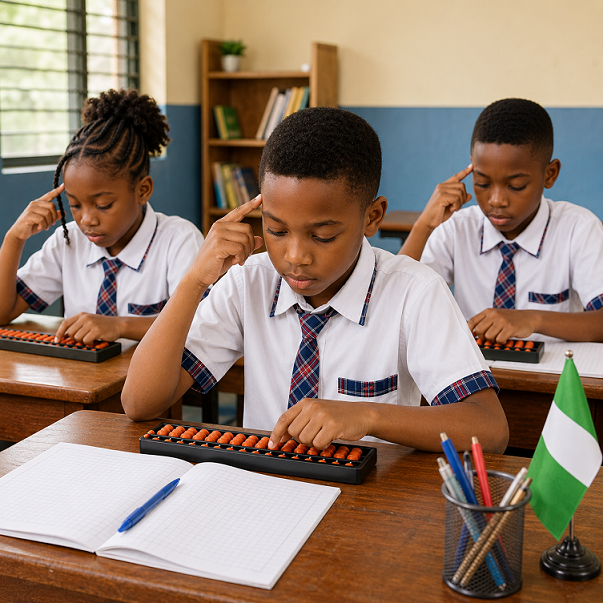
In modern education, the abacus has become more than a counting frame. It is now used as a mental development tool that helps children build concentration, memory, speed, accuracy, imagination, and confidence in mathematics.
Ancient Counting Tool
Early forms of the abacus helped people count, group numbers, and perform simple arithmetic in daily life, trading, and learning.
Structured Arithmetic Learning
Over time, the abacus became a structured learning tool for addition, subtraction, multiplication, division, and number relationships.
Visual Mathematics
The abacus made mathematics easier to understand by helping learners see numbers through bead movement, place value, and calculation patterns.
Modern Mental Maths Training
Today, children use the abacus first as a physical tool, then gradually learn to visualize it mentally for faster and more confident calculation.